



Mobile apps have become an essential part of modern life. From communication to banking, entertainment to education—everything is now accessible through mobile applications. In 2026, mobile app development is one of the most in-demand and profitable tech skills.
🧠 What is Mobile App Development?
Mobile app development is the process of creating software applications that run on mobile devices like smartphones and tablets. These apps can be downloaded from platforms like Google Play Store or Apple App Store.
📲 Types of Mobile Applications
1. Native Apps
These apps are built specifically for one platform:
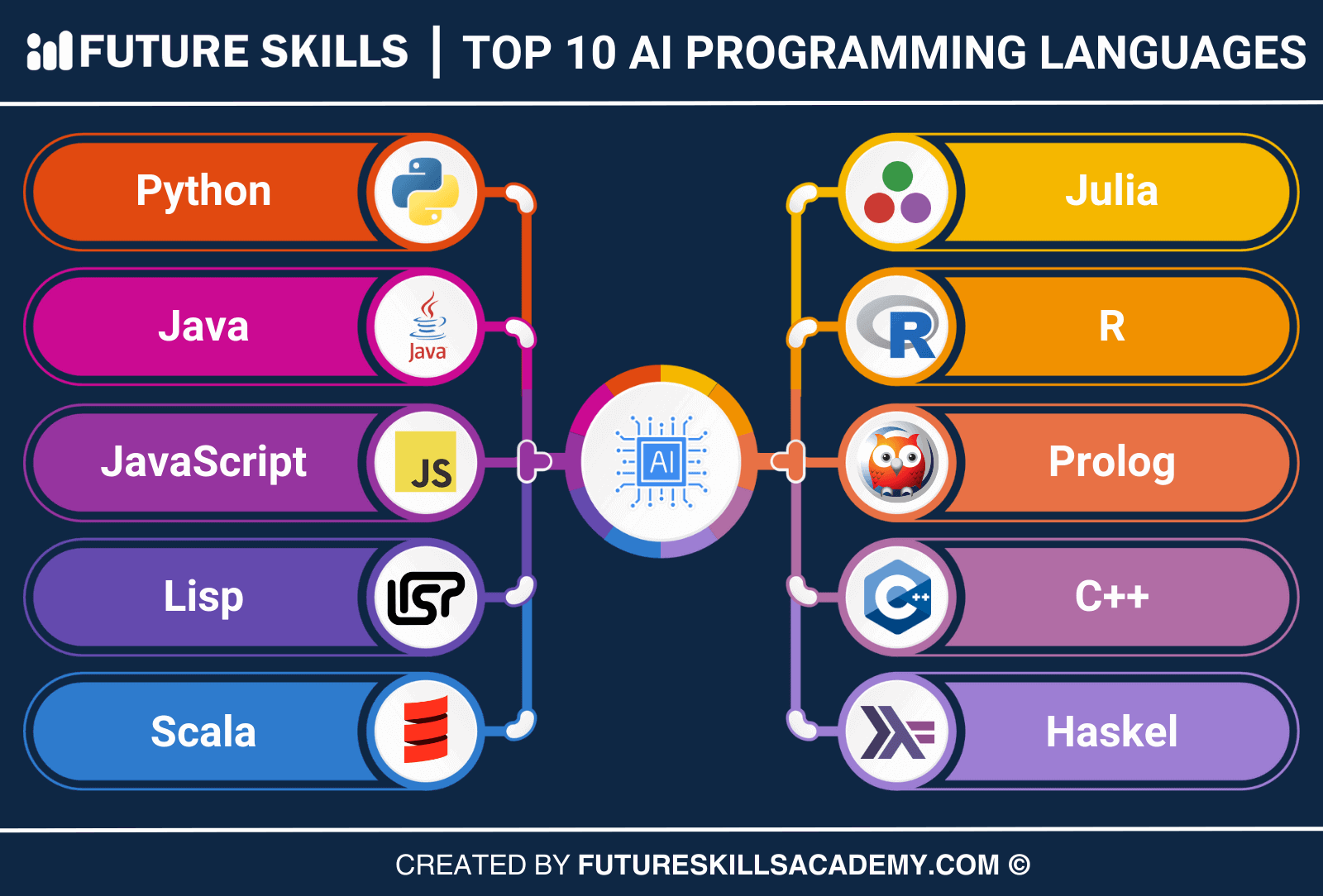
- Android (Java/Kotlin)
- iOS (Swift)
Advantages:
- High performance
- Better user experience
Disadvantages:
- More time and cost
2. Hybrid Apps
Built using web technologies (HTML, CSS, JavaScript) but run inside a native container.
Advantages:
- Faster development
- Cross-platform support
Disadvantages:
- Slightly lower performance
3. Cross-Platform Apps
Built once and run on multiple platforms using frameworks like Flutter and React Native.
Advantages:
- Cost-effective
- Faster deployment
🛠️ Technologies Used in 2026
🔧 Frontend
- Flutter
- React Native
- Swift UI
⚙️ Backend
- Firebase
- Node.js
- Django
🗄️ Databases
- MongoDB
- MySQL
- SQLite
🚀 Step-by-Step App Development Process
1. Idea & Planning
Start with a problem-solving idea.
2. UI/UX Design
Design user-friendly interfaces.
3. Development
Write code and build features.
4. Testing
Fix bugs and improve performance.
5. Launch
Publish on app stores.
💰 How to Earn from Apps
- Ads integration
- In-app purchases
- Subscription model
📈 Future Trends
- AI-powered apps
- Voice-controlled apps
- Augmented Reality (AR) apps
🔚 Conclusion
Mobile app development is a powerful skill that can open doors to freelancing, jobs, and business opportunities.